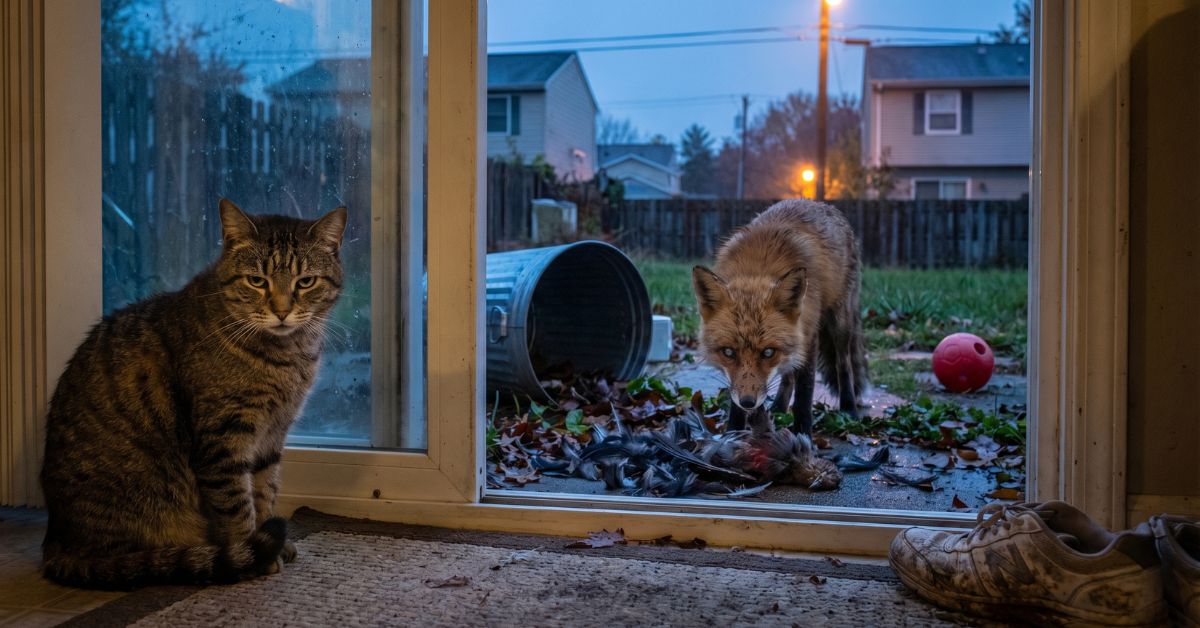
The primary driver of wild and domestic mammal infections in urban spaces remains the trophic transmission pathway, specifically the ingestion or scavenging of infected avian carcasses. Aquatic birds, particularly waterfowl such as Canada geese, wild ducks, and swans, serve as the primary reservoir and environmental amplifiers of the virus. As these birds migrate and congregate in dense urban water bodies—such as the Central Park Reservoir in New York City, where mass mortality events involving dozens of geese have been recorded on single days—they shed immense viral loads. This shedding occurs not only through saliva, nasal secretions, and feces, but also through the feather epithelium. Research has demonstrated that the feather epithelium of infected ducks contains exceptionally high viral titers, allowing the virus to disseminate widely through shed feathers and directly contaminate terrestrial environments, maintaining viral infectivity over long distances.
Beyond trophic transmission, indirect environmental exposure plays a critical and insidious role in urban spread. The H5N1 virus exhibits prolonged environmental persistence, particularly in cold water and winter temperatures, remaining viable in waterbodies, contaminated soil, and bedding for days to weeks. This persistence turns urban parks, residential birdbaths, and local waterways into indirect infection vectors. Scavenging animals, domestic pets, and humans can acquire the virus through contact with environmental fomites, contaminated drinking water, or aerosolized dust kicked up from dried, highly concentrated fecal matter.
However, the most alarming development in the transmission dynamics of the current panzootic is the increasing empirical evidence of mammal-to-mammal transmission. The massive 2024 dairy cattle outbreak demonstrated highly efficient horizontal transmission between cows, largely facilitated by mechanical vectors during the milking process, as well as vertical and indirect transmission from dairy cows to farm cats and local raccoons residing on the premises.
Avian Amplifiers: The Role of Waterfowl and Raptors in Urban Seeding
Understanding the threat to urban mammals requires an analysis of the avian species that introduce and amplify the virus within these ecosystems. While dabbling ducks and geese act as the primary asymptomatic or mildly symptomatic reservoirs, the virus is highly lethal to an extensive array of wild avian species, creating massive environmental contamination events that subsequently expose scavenging mammals.
The scope of avian mortality during this panzootic is staggering. In the United States alone, the virus has decimated populations of raptors and scavenging birds, which sit at the apex of the avian food web. Studies analyzing pathological findings in raptors have documented severe outbreaks among bald eagles, red-tailed hawks, and great horned owls. These birds, much like mammalian scavengers, acquire the virus by preying upon infected waterfowl. Clinical manifestations in raptors are uniformly severe, presenting as acute neurological illness characterized by seizures, severe torticollis, and unresponsiveness, almost universally leading to death or euthanasia. Histological examinations of these raptors reveal severe, widespread viral infiltration of the brain, heart, and pancreas, underscoring the extreme pathogenicity of the clade 2.3.4.4b virus.
Colonial nesting birds have also suffered catastrophic losses, contributing to massive localized environmental contamination. A heavily documented outbreak in July 2023 on Rat Island, Washington, completely devastated populations of Caspian terns and glaucous-winged gulls. The outbreak resulted in the mortality of over 1,101 adult Caspian terns and 520 chicks, representing a staggering 56% loss of the adult population at the breeding colony. Epidemiologists estimated that between 10% and 14% of the entire Pacific Flyway population of Caspian terns was eradicated during this single localized event, with testing revealing a 95.2% prevalence rate for H5N1 among the collected carcasses.
The geographic reach of these avian mortality events is unprecedented. The virus has spread through complex migratory networks, reaching all major continents and penetrating the most remote ecosystems on the planet. The detection of the fully Eurasian H5N5 variant in black-browed albatrosses on the sub-Antarctic Beauchêne Island in the Falkland Islands, alongside concurrent mass mortality events in crabeater seals in the Antarctic region, confirms that the virus possesses the capacity for extreme long-distance transmission. When migratory birds return to urban and suburban wetlands in the Northern Hemisphere from these global networks, they bring novel, highly virulent reasserting strains directly into proximity with immunologically naive urban wildlife and human populations.
The Urban Wildlife Crisis: Sentinels at the City Edge
The infiltration of H5N1 into the urban and suburban wildlife matrix has resulted in widespread, highly visible mortality events across North America, fundamentally altering the ecological balance of these environments. Cities and their surrounding suburbs are highly surveilled, globally connected ecosystems characterized by high densities of both human populations and synanthropic wildlife. This density makes them ideal incubators for cross-species viral jumping and amplification.
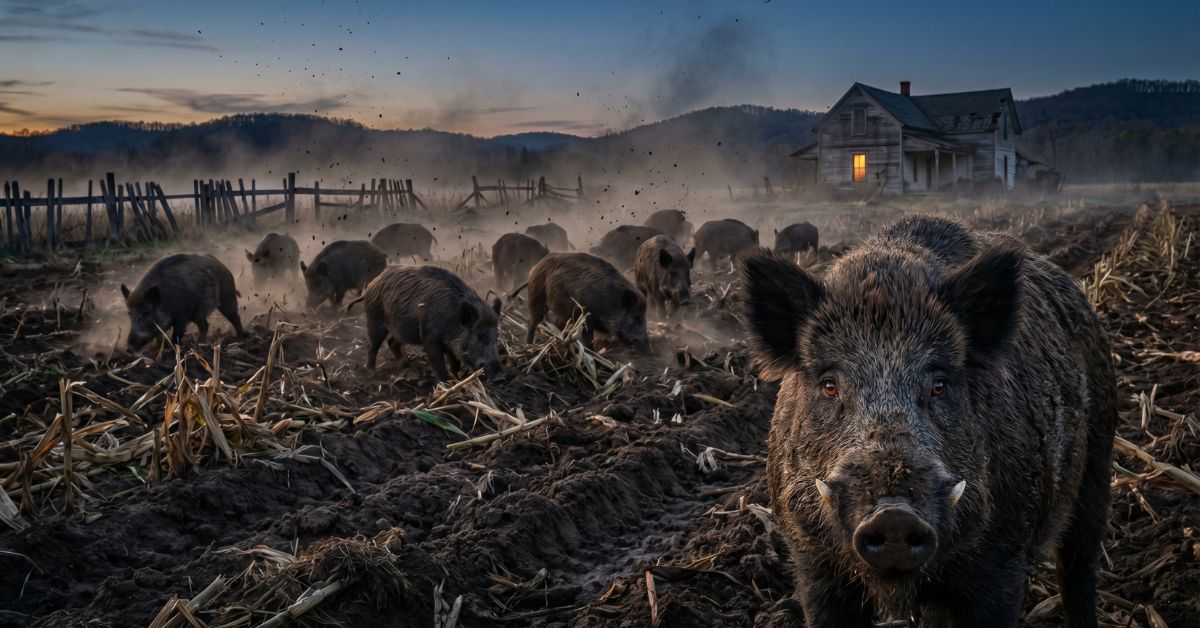
The spectrum of affected urban wildlife is extensive and continually expanding as the virus explores new mammalian hosts. In New York State, and specifically within the confines of New York City, wildlife rehabilitation centers have operated in perpetual triage modes since the escalation of the outbreak in 2022. The city’s only wildlife rehabilitation center, the Wild Bird Fund, has been forced to adopt stringent new virus protocols, establishing permanent isolation wards and relying heavily on advanced protective gear to manage the relentless influx of neurologically compromised birds and mammals. Confirmed mammalian infections in New York State have been documented in red foxes, raccoons, striped skunks, Virginia opossums, bobcats, Eastern gray squirrels, muskrats, and feral cats, demonstrating an astonishingly broad host range.
This phenomenon is not isolated to the Eastern Seaboard. Across the American Midwest, state agriculture and natural resource departments have recorded a steady surge in wildlife and backyard flock infections. In Iowa, the Department of Agriculture confirmed multiple detections of H5N1 in multi-species backyard flocks in Dallas County, triggering heightened biosecurity warnings for residential poultry keepers. State tracking dashboards in Illinois, Wisconsin, Minnesota, and Michigan consistently report wild bird die-offs and corresponding mammalian infections, keeping local animal health systems on high alert. Colorado wildlife officials have documented a particularly severe spectrum of mammalian cases, including striped skunks, black bears, and mountain lions exhibiting profound signs of systemic illness before death. Further north, Canadian officials on Prince Edward Island documented the first recorded mammalian cases of the Eurasian H5N5 variant in wild raccoons in early 2026, signaling that multiple highly pathogenic variants are simultaneously establishing footholds in wild mesopredator populations across North America.
Red foxes (Vulpes vulpes) have emerged as highly sensitive sentinels for the virus. Outbreaks across the United States have heavily impacted fox populations, particularly vulnerable juvenile kits. The clinical manifestation of HPAI in wild canids is devastating. Infected foxes present with severe, acute neurological abnormalities, including profound ataxia, violent tremors, continuous circling, seizures, and apparent blindness.
The predilection of the H5N1 virus for neural tissues in mammalian hosts results in severe pathological outcomes. Necropsies of infected foxes and skunks consistently reveal necrotizing encephalitis, severe interstitial pneumonia, and myocarditis, with exceptionally high viral loads detected in brain tissue via reverse transcriptase real-time PCR. This aggressive neurotropism fundamentally alters the behavioral ecology of the infected animal. The antemortem behavioral signs of H5N1 in foxes, raccoons, and skunks—such as a complete lack of fear of humans, daytime wandering, and severe lethargy—are clinically indistinguishable from rabies. This rabies mimicry drives these neurologically compromised animals into highly populated urban areas, exponentially increasing the likelihood of encounters with humans, domestic dogs, and outdoor cats, thereby acting as a critical vector for secondary exposure pathways while simultaneously placing immense strain on local public health and animal control diagnostic infrastructure.
| Mammalian Species | Geographic Detections (Examples) | Primary Suspected Transmission Route | Key Clinical Manifestations and Pathology |
| Red Fox (Vulpes vulpes) | NY, MI, WI, MN, PA, OR, Canada | Ingestion of infected waterfowl | Ataxia, seizures, blindness, loss of fear of humans; Necrotizing encephalitis, interstitial pneumonia, myocarditis. |
| Striped Skunk (Mephitis mephitis) | NY, CO, OR, Midwest US | Scavenging infected carcasses | Severe lethargy, circling, neurological deficits, sudden death; Systemic infection, high viral loads in brain tissue. |
| Raccoon (Procyon lotor) | NY, CA, OR, Prince Edward Island | Scavenging, environmental fomites | Weakness, unresponsiveness, respiratory distress; Encephalitis, hepatitis, pneumonia. |
| Bobcat / Mountain Lion | NY, WA, CA, UT, CO, NE | Predation of sick birds / secondary scavenging | Severe depression, respiratory failure, mortality; Neurological tropism, pulmonary edema. |
Domestic Pets at the Vanguard: The Feline Crisis
Perhaps the most immediate and alarming consequence of the H5N1 clade 2.3.4.4b panzootic for the general public is the extreme vulnerability of domestic feline species. While domestic dogs (Canis lupus familiaris) are susceptible to the virus, they generally exhibit mild respiratory signs and possess a lower mortality rate upon exposure. In stark contrast, domestic cats (Felis catus) are highly susceptible to the pathogen, suffering catastrophic clinical outcomes that position them on the absolute frontline of the urban biosecurity crisis.
A comprehensive systematic analysis of avian influenza virus infections in felines, led by airborne infectious disease researchers, evaluated data spanning two decades. The research revealed a sharp, unprecedented spike in feline cases beginning in 2023, largely driven by the emergence and rapid spread of the B3.13 genotype. Globally, the baseline case fatality rate for felines infected with avian influenza stands at 63%; however, for the specific clade 2.3.4.4b responsible for the current panzootic, the fatality rate jumps to a staggering 67% to 70%.
The clinical progression of H5N1 in domestic cats is rapid and merciless. Initial, non-specific symptoms include profound lethargy, severe pyrexia (fever), and anorexia. Within a matter of days, the disease trajectory bifurcates into severe respiratory and neurological distress. Cats frequently exhibit tachypnea (rapid breathing), severe coughing, and purulent nasal discharge, which rapidly devolves into profound incoordination, severe whole-body tremors, and intractable seizures. A unique and deeply concerning clinical presentation frequently noted in recent outbreaks is the rapid onset of blindness, associated with severe chorioretinitis—a devastating inflammation of the choroid and retina of the eye. This specific ocular tropism was highly prevalent in a cluster of farm cats in Texas that contracted the virus after consuming raw colostrum and unpasteurized milk containing massive viral loads directly from infected dairy cattle.
However, the virus has repeatedly proven its ability to circumvent the outdoor barrier, threatening strictly indoor pets. Documented epidemiological investigations in Colorado and Minnesota identified fatal H5N1 infections in indoor-only domestic cats that had absolutely no direct exposure to infected livestock, wild birds, or raw poultry products. These infections are highly suspected to have resulted from fomite transmission—whereby owners inadvertently tracked the virus into the home on footwear or clothing contaminated with infectious bird feces—or through indirect exposure to contaminated environmental dust drawn into residential ventilation systems.
The crisis is exponentially amplified within commercial feline housing and shelter environments. Mass mortality events have confirmed that high-density feline housing situations, combined with contaminated nutritional sources, can generate explosive localized outbreaks. In June and July 2023, outbreaks in Seoul, South Korea, decimated two separate cat shelters, killing 38 out of 40 resident cats within a single month. The source of the infection was definitively traced to commercially distributed raw cat food of avian origin that had not been properly sterilized. A similar, large-scale outbreak involving 33 cats occurred in Poland during the same period, and subsequent fatal infections directly linked to raw poultry pet food diets have been documented by the Department of Health in New York City. These mass mortality events raise the terrifying specter of efficient cat-to-cat transmission in closed environments, confirming that feeding unpasteurized or raw avian products to obligate carnivores during a panzootic carries an extreme level of risk.
Wild and large captive felids share this fatal genetic susceptibility. Avian influenza has consistently claimed the lives of tigers, leopards, and mountain lions globally since the early 2000s. The mortality of 16 wild bobcats in New York State during a rigorous 2024 mammal wildlife investigation underscores that the virus operates with lethal efficiency across the entire Felidae family. The profound vulnerability of the feline respiratory and neurological tracts to the virus positions them as the primary domestic sentinels for the approaching pandemic threat, prompting urgent calls from veterinary authorities for enhanced, systemic surveillance in farm, shelter, and urban environments to monitor for further mammalian adaptations.
Global Resonance: The Indian Subcontinent Crisis
While North America grapples extensively with the fallout of the B3.13 genotype and the dairy cattle spillovers, the Indian subcontinent has simultaneously faced a severe, escalating, and highly volatile crisis driven by related viral clades. The situation in India highlights the truly global, multi-front nature of the panzootic, demonstrating that diverse geographical environments are experiencing synchronized evolutionary pressures.
By early 2025, the avian influenza situation in India had entered a deeply concerning phase, characterized by massive commercial poultry losses, alarming wildlife mortality events, and unprecedented cross-species transmission to domestic pets. The state of Maharashtra emerged as a critical epicenter for this crisis. In late 2024 and early 2025, an outbreak of HPAI H5N1 devastated the Balasaheb Thackeray Gorewada International Zoological Park in Nagpur. Three tigers and one leopard, previously rescued from instances of severe human-animal conflict in the Chandrapur region, succumbed to the virus. The animals presented with acute fever, severe lameness, and lethargy before experiencing rapid clinical deterioration. Following necropsies and advanced virological confirmation by the ICAR-National Institute of High Security Animal Diseases (NIHSAD) in Bhopal, the incident was categorized as the first recorded instance of H5N1 causing mass mortality among captive wildlife in India.
The zoonotic threat to captive wildlife triggered an immediate and aggressive governmental response. The Maharashtra Forest Department issued a statewide red alert for all zoos and rescue centers, mandating the immediate suspension of all internal and external animal transfers. Authorities deployed fire blowers for extensive environmental sanitization of enclosures, while all zoo personnel were required to undergo rigorous medical screening and utilize comprehensive personal protective equipment (PPE).
Simultaneously, the agricultural impact across Maharashtra was severe and economically devastating. Districts including Pune, Nagpur, Latur, and Ahilyanagar (formerly Ahmednagar) reported extensive, rapidly spreading outbreaks within commercial poultry operations. In the Chandrapur district, following sudden, massive poultry die-offs in Mangli village in late January 2025, the District Disaster Management Authority (DDMA) enforced a stringent 10-kilometer radius ‘alert zone’. Containment protocols necessitated the rapid, scientific culling of tens of thousands of birds by specialized Rapid Response Teams, the destruction of massive quantities of eggs and poultry feed, and the absolute prohibition of transport for any avian-related materials or vehicles to halt the lateral spread of the pathogen.
Despite these aggressive biosecurity measures, the barriers repeatedly failed to contain the virus within avian populations. Non-poultry species across Maharashtra, including vultures, crows, hawks, and egrets, suffered heavy casualties, indicating widespread environmental contamination. More alarmingly, the virus infiltrated domestic households. In the Chhindwara district, which shares a porous border with Nagpur, researchers documented the first confirmed cases of H5N1 in domestic pet cats in India. The virus, identified specifically as the 2.3.2.1a lineage, caused acute hyperthermia, complete anorexia, and extreme physical weakness, killing the felines within one to three days of diagnostic sampling. The identification of 27 distinct viral mutations within these specific isolates indicates rapid host adaptation and signals a severe biosecurity lapse at the critical human-animal interface.
The zoonotic threat to human life in the region is not merely theoretical. While the H5N1 strain ravaged mammalian and avian populations in central India, the World Health Organization confirmed a severe human case of avian influenza in the eastern state of West Bengal in early 2024. A four-year-old child, continuously exposed to poultry in a residential setting, was infected with the H9N2 avian flu virus. The infection resulted in a prolonged, severe illness characterized by hyperreactive airway disease, severe viral pneumonia, abdominal cramps, and acute seizures, necessitating a month-long admission to a pediatric intensive care unit. While caused by a distinct subtype from the highly pathogenic H5N1 strain, the pediatric case dramatically illustrates the persistent, porous nature of the species barrier in regions where high-density human populations coexist intimately with agricultural and wild bird populations, providing a constant runway for viral spillover.
| Location | Affected Species | Viral Lineage / Context | Key Ramifications |
| Nagpur, Maharashtra | Tigers, Leopards (Captive) | H5N1 | First recorded instance of mass mortality among captive wildlife in India; triggered nationwide zoo red alerts. |
| Chandrapur, Maharashtra | Commercial Poultry | H5N1 | Implementation of strict 10km alert zones, mass culling, and vehicle movement bans. |
| Chhindwara, Madhya Pradesh | Domestic Pet Cats | 2.3.2.1a Lineage | First documented infection of pet cats in India; sequencing revealed 27 distinct viral mutations indicating rapid host adaptation. |
| West Bengal | Human (Pediatric) | H9N2 | Severe systemic illness requiring prolonged ICU admission, highlighting the persistent zoonotic threat in residential agricultural settings. |
Human Zoonotic Spillover and Public Health Impact
The relentless expansion of the viral host range into urban and agricultural mammals has inevitably led to an alarming increase in human exposure events. The United States Centers for Disease Control and Prevention (CDC), alongside global health authorities, maintain a highly vigilant surveillance apparatus to track, sequence, and isolate every zoonotic spillover. As of late 2025 and progressing into 2026, the epidemiological data reveals a persistent, continuous chain of human infections, carrying profound implications for future pandemic preparedness.
Between the onset of the dairy cattle outbreaks in early 2024 and the conclusion of 2025, the United States formally recorded 71 confirmed human cases of highly pathogenic avian influenza. The geographical distribution of these cases is vast, perfectly mirroring the agricultural and wild bird footprint of the virus across California, Colorado, Iowa, Michigan, Missouri, Texas, Washington, Wisconsin, and multiple other midwestern and western states. The vast majority of these human infections are inextricably linked to direct occupational hazards within commercial agriculture; 41 specific cases originated from exposure to infected dairy cattle herds, and 24 resulted from close contact with poultry farms and associated high-risk culling operations. An additional six cases were linked to exposure from backyard flocks, wild birds, or remained of unknown epidemiological origin.
Clinically, the presentation of H5N1 in human patients during this specific panzootic wave in the United States has predominantly been mild, diverging significantly from the historically high mortality rates (frequently exceeding 50%) seen in Southeast Asia over the past two decades. The absolute hallmark symptom in the majority of US agricultural workers has been severe, isolated conjunctivitis. Because the virus is shed in massive quantities in raw bovine milk, the mechanical process of milking frequently aerosolizes the virus or directly splashes contaminated fluids into the mucosal membranes of the eyes of dairy workers. In numerous instances, conjunctival swabs tested highly positive for the virus while respiratory panels remained entirely clear, indicating that the virus struggles to establish deep respiratory infections via this route. Consequently, the CDC revised its clinical guidelines, urging all healthcare providers and ophthalmologists to immediately suspect avian influenza in any patient presenting with conjunctivitis alongside a recent history of livestock or wildlife exposure within the preceding 10 days.
However, it is a dangerous fallacy to assume the virus has lost its capacity for extreme lethality. The United States has recorded two confirmed deaths linked to the current outbreak cycle. The first fatality occurred in Louisiana in early 2025. This case represented the first severe human infection resulting in mortality in the country and was genetically sequenced as the D11 genotype—a specific strain previously known to be associated with far more serious systemic illness compared to the milder B3.13 genotype circulating heavily in dairy workers.
The second mortality event fundamentally altered the global tracking of the virus and escalated international concerns. In November 2025, an adult patient residing in Washington State, possessing underlying medical conditions and a confirmed history of keeping backyard poultry, developed a severe febrile illness. The patient’s condition rapidly deteriorated into severe respiratory failure, culminating in hospitalization and subsequent death within three weeks of symptom onset. Crucially, genomic sequencing conducted by the CDC and the Washington State Public Health Laboratory verified the causative agent not as standard H5N1, but as influenza A(H5N5), belonging to the H5 hemagglutinin (HA) clade 2.3.4.4b. This marked the very first globally reported human infection caused by the H5N5 reasserting virus.
The emergence of a fatal human case driven by a novel reasserting underscores the extreme genetic volatility of the current viral lineage. As the virus reasserts its genetic segments with endemic wild bird influenza strains (forming H5N5, H5N6, etc.), it continually generates novel virologic profiles capable of bypassing existing immunological defenses or presenting with altered pathogenesis. Globally, the threat remains severe; between January and August 2025 alone, 11 fatalities were reported outside the US in Cambodia, India, and Mexico, emphasizing that in regions with different viral clades or healthcare infrastructures, the virus remains highly lethal.
Despite these fatalities, the CDC and the World Health Organization currently assess the immediate risk to the general public as low. This assessment is primarily rooted in the fact that exhaustive contact tracing conducted in all 71 US cases, including the two fatalities, has yielded absolutely zero evidence of sustained person-to-person transmission. The viral architecture still fundamentally lacks the precise hemagglutinin receptor-binding specificities required to easily penetrate and replicate efficiently within the upper human respiratory tract, which is an absolute prerequisite for efficient airborne spread via coughing or sneezing.
| Human Epidemiological Data (US 2024-2026) | Metric / Details |
| Total Confirmed Human Cases | 71 |
| Total Fatalities | 2 |
| Fatality 1: Louisiana (Early 2025) | D11 Genotype; First severe human infection/death in the US. |
| Fatality 2: Washington (Nov 2025) | H5N5 Reassortant; First globally reported human case of this subtype. |
| Exposure Sources | Dairy Cattle (41), Poultry Farms (24), Other/Unknown (6) |
| Predominant Clinical Sign | Severe Conjunctivitis (often without respiratory involvement) |
| Evidence of Human-to-Human Spread | Zero confirmed instances to date following exhaustive contact tracing. |
Epidemiological Modeling and Pandemic Preparedness
While current transmission remains primarily zoonotic, the expanding host range and relentless mutation rate demand rigorous scientific preparation for the possibility of human-to-human transmission. Predictive epidemiological modeling is critical for developing containment strategies before a pandemic scenario materializes.
Researchers at York University have conducted advanced agent-based modeling to simulate outbreak dynamics following a hypothetical spillover event where the virus gains the ability to transmit between humans. Prompted by highly unusual cases with unknown exposure sources, such as an unlinked case in British Columbia, the researchers evaluated the efficacy of various public health interventions during the earliest, most uncertain phases of a viral outbreak. The study, published in Nature Health in early 2026, explicitly modeled post-spillover transmission chains, evaluating scenarios ranging from strict case isolation to the deployment of ring vaccination strategies around index cases.
The research underscores that should a single mutation successfully switch the virus’s receptor specificity from avian to human, traditional surveillance mechanisms would likely be too slow to prevent widespread dissemination. Therefore, the models indicate that pre-emptive policy frameworks—dictating immediate, localized lockdowns and rapid vaccine deployment based on preliminary syndromic surveillance—are the only reliable methods to sever transmission chains before they achieve exponential growth. Furthermore, advancements in diagnostic infrastructure are paramount. Companies like Antibody System are actively developing comprehensive portfolios of recombinant proteins and antibodies to evaluate vaccine-induced immune responses and identify subclinical infections in wild mammals, addressing critical gaps in current surveillance systems that overly focus on commercial poultry.
Urban Biosecurity and Policy Recommendations
The pervasive infiltration of H5N1 into urban ecosystems necessitates a radical paradigm shift in municipal wildlife management, veterinary care, and domestic pet ownership guidelines. The traditional agricultural biosecurity model—which relies heavily on isolation, restricted movement, and the mass culling of flocks—is fundamentally incompatible with the fluid, open-boundary nature of city parks, suburban neighborhoods, and wild ecosystems. Consequently, public health departments are pioneering novel mitigation strategies explicitly tailored for the complexities of the urban-wildlife interface.
In heavily impacted metropolitan centers such as New York City, the Department of Health and Mental Hygiene (DOHMH), working in close coordination with the New York State Department of Environmental Conservation (NYSDEC), has implemented multi-tiered public surveillance and response protocols. The DOHMH has issued stringent, clear guidelines to the public designed to interrupt the chain of environmental transmission at the community level. Residents are strongly advised against feeding birds by hand or handling any injured passerines (songbirds) or waterfowl. In the event that a citizen must transport a sick or injured bird to a triage facility like the Wild Bird Fund, they are explicitly instructed to wear masks and gloves, enclose the animal in a ventilated paper bag or box, and rigorously disinfect all vehicle surfaces and hands immediately afterward.
While general residential bird feeders have not been universally banned—as songbirds are less likely to carry the virus than waterfowl—authorities mandate frequent, rigorous sterilization of feeders and birdbaths with bleach solutions to prevent the artificial congregation of diverse avian species from creating highly localized super spreader hubs. Furthermore, the public is urged to proactively report clusters of dead wild birds, particularly water birds, raptors, and crows, directly to state environmental portals utilizing online reporting forms, facilitating rapid bio-surveillance mapping and targeted necropsies.
For domestic pet owners, the updated biosecurity recommendations represent a significant, and potentially permanent, departure from standard animal husbandry. Due to the exceptionally high mortality rate of the virus in felines, veterinary authorities and public health agencies unilaterally recommend that all domestic cats be transitioned to an exclusively indoor lifestyle. However, recognizing that the virus has successfully bypassed physical boundaries to kill indoor pets, mitigation strategies must address environmental fomites. Owners are strongly advised to systematically remove and disinfect all outdoor footwear immediately upon entering the home, particularly after traversing parks, wetlands, or agricultural areas potentially contaminated with waterfowl feces. Dogs, while statistically less susceptible to severe disease, must remain strictly leashed during outdoor excursions to entirely prevent the opportunistic scavenging of potentially infected avian or mammalian carcasses.
Crucially, the feeding of raw commercial poultry diets to domestic pets is strongly discouraged by health departments nationwide. Given the definitive epidemiological link between raw avian diets and catastrophic, rapid-onset shelter outbreaks in South Korea and Poland, as well as fatal individual infections in New York City, providing unpasteurized or raw avian products to obligate carnivores during an active panzootic carries an extreme and unnecessary level of risk.
At the clinical veterinary level, practitioners are now required to maintain a high index of suspicion and integrate avian influenza into their differential diagnoses for any feline presenting with acute neurological symptoms, severe respiratory distress, or sudden, unexplained blindness, regardless of the animal’s reported outdoor access status. Suspected cases mandate immediate reporting to local and state health departments, initiating a chain of diagnostic sequencing to monitor for further mammalian adaptations and ensuring that the human handlers of these sick animals are monitored for zoonotic spillover.
Conclusion
The evolution of the HPAI H5N1 virus from a distinct agricultural pathogen into a ubiquitous, deeply entrenched threat to urban wildlife and domestic pets represents one of the most significant and complex epidemiological shifts of the 21st century. The virus has demonstrated an unparalleled and terrifying capacity to overcome traditional biological barriers, utilizing critical, highly specific polymerase mutations—such as PB2 M631L and PA K497R—to aggressively unlock replication pathways within mammalian cellular architecture. The resulting panzootic has devastated macropredator populations across North America and Europe, causing horrific neurological disease in species ranging from red foxes to skunks, and structurally altering urban ecological food webs while simultaneously straining the diagnostic capabilities of municipal animal control systems due to its clinical mimicry of rabies.