Wye River Flooding is not just another weather story. It is a quiet reminder of how fragile life becomes when nature loses its balance. From the very beginning of this year, flooding has continued to affect large parts of Australia, leaving communities tired, wildlife displaced, and landscapes deeply scarred. Wye River’s recent flood stands as one chapter in a much larger and more painful story that the nation is living through.
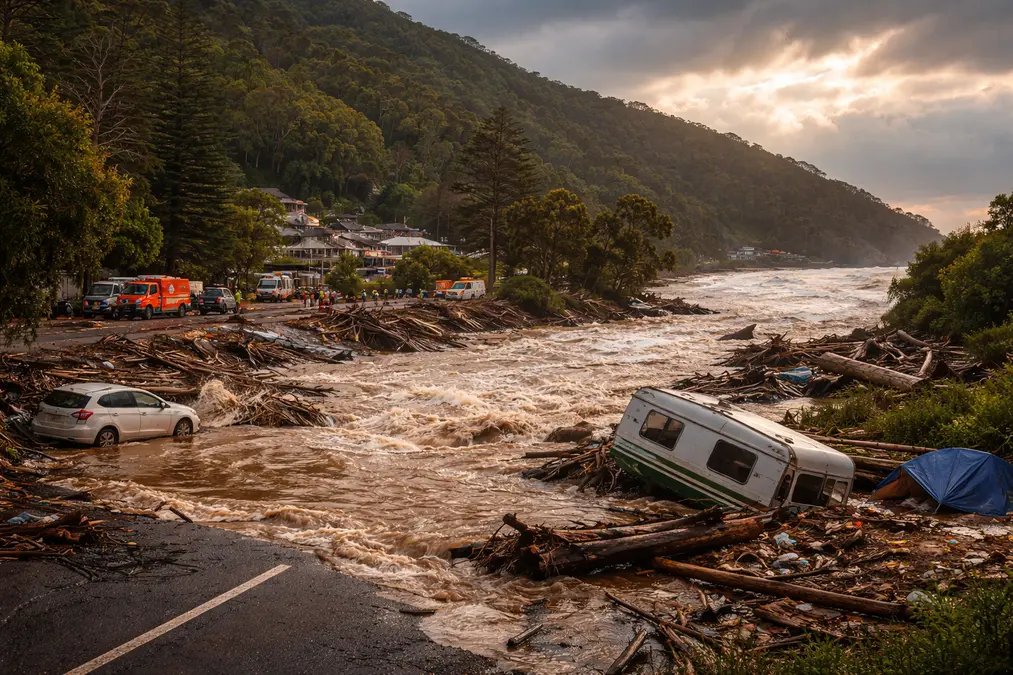
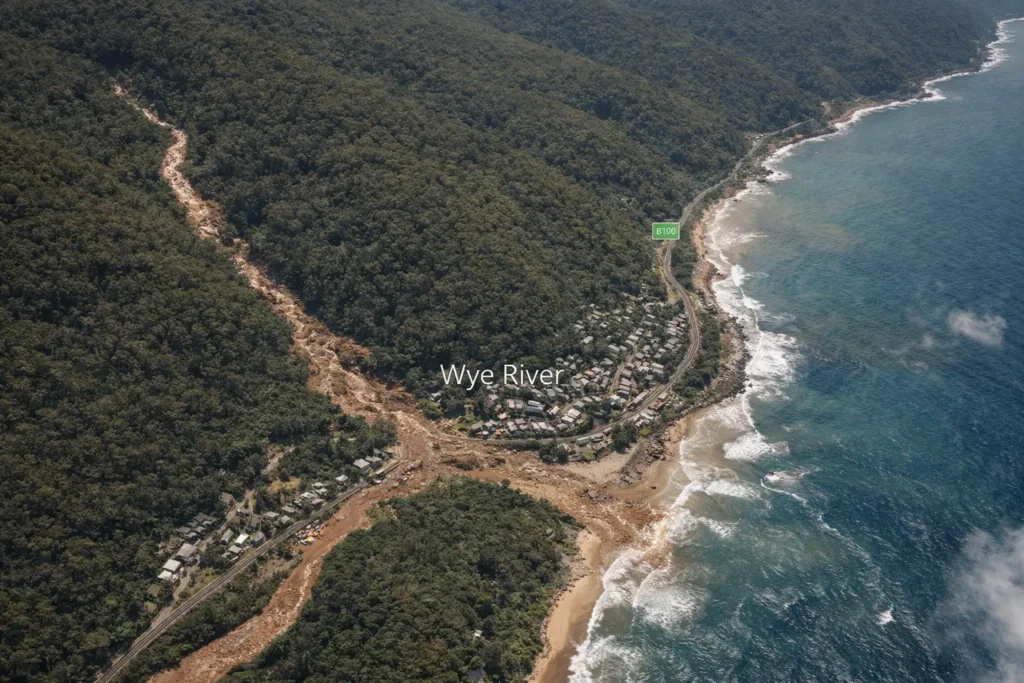
Wye River has always been a place where people come to slow down. Nestled between forested hills and the ocean, the river usually flows gently, shaping the land without harming it. Locals know its moods, and wildlife depends on its steady rhythm. But when the recent storm arrived, that rhythm was broken. Heavy rainfall fell faster than the land could absorb, and the river rose with sudden force. What was once calm water turned into a fast, unstoppable flow, cutting through campsites, roads, and quiet corners of daily life.
For residents and visitors, the experience was frightening and overwhelming. Many people had little time to understand what was happening before water surrounded them. Vehicles were damaged or swept away, tents collapsed, and personal belongings disappeared into muddy currents. These were not just material losses; they were memories, tools for work, and symbols of safety. In moments like these, fear mixes with helplessness, and people are left holding only what they can carry.
Yet Wye River’s flooding did not happen in isolation. Since the start of the year, similar scenes have unfolded in different parts of the country. Rivers have overflowed, low-lying areas have been repeatedly submerged, and emergency warnings have become almost routine. For many communities, this ongoing pattern has created exhaustion and uncertainty. People are no longer asking if flooding will return, but when. This constant threat weighs heavily on families, farmers, and small businesses that rely on stable conditions to survive.
Emergency services played a vital role during the Wye River flood. Warnings urged people to seek higher ground and stay away from dangerous water flows. Volunteers, rescue teams, and local authorities worked together to guide people to safety. Their efforts helped prevent loss of life, and that alone deserves deep respect. Still, the emotional impact remains. After the water recedes, silence often follows — a silence filled with shock, cleanup, and the slow realization of what has been lost.
The environment suffers quietly during floods, often without immediate attention. Riverbanks erode, trees are uprooted, and soil that took years to build is washed away in hours. Floodwater carries debris, fuel, and waste into streams and the ocean, polluting ecosystems that were already under stress. These changes may not be visible right away, but they leave long-term wounds on the land.
Wildlife faces some of the hardest consequences. Animals do not receive warnings. Small mammals, reptiles, insects, and ground-nesting birds are suddenly forced to flee rising water. Many lose their shelter and food sources overnight. Some drown, others are pushed into unfamiliar areas where survival becomes uncertain. Aquatic life is also disrupted, showing how flooding does not simply pass through nature but reshapes it, often harshly.
This year’s repeated flooding has made life especially difficult for wildlife because recovery time is limited. Habitats damaged by one flood may be hit again before plants regrow and animals return. This creates a cycle of stress that weakens entire ecosystems. When nature struggles, human communities feel the impact too, because healthy land and water are essential for long-term safety and stability.
Climate change is deeply connected to what we are witnessing. Warmer air holds more moisture, leading to heavier rainfall in shorter periods. At the same time, weather patterns have become less predictable, making it harder for communities to prepare. Floods that once occurred gradually are now sudden and violent. This shift increases the risk for everyone, especially those living near rivers, coastlines, and forested valleys like Wye River.
For local communities, the emotional cost of flooding is often greater than the physical damage. The fear of losing homes, the stress of rebuilding, and the uncertainty of the future leave lasting marks. Tourism-dependent towns suffer when roads close and visitors stay away. Families who depend on seasonal income feel the strain immediately. Over time, this pressure erodes confidence and hope.
Despite this, moments of compassion shine through. During the Wye River flood, people helped one another without hesitation. Strangers shared shelter, locals guided visitors, and volunteers offered time and strength. These acts of kindness remind us that even when nature becomes harsh, humanity can remain gentle. Mercy is found not in the absence of disaster, but in how people respond to it.
Looking ahead, there is a clear need for better preparation and stronger respect for natural systems. Early warning systems must improve, land planning must consider future flood risks, and environmental protection must be taken seriously. Forests, wetlands, and healthy riverbanks act as natural buffers against floods. Protecting them is not optional; it is essential.
The flooding at Wye River is a quiet warning, not just for one town but for the entire nation. This year has begun with water where it should not be, moving faster than expected, and staying longer than welcomed. The question now is not only how to recover, but how to learn. If compassion guides our response — for people, for wildlife, and for the land — then even in a year marked by flooding, there is still a chance for balance, resilience, and hope.