The beginning of 2026 has been unusually intense for Japan. A country already known for its earthquakes and disciplined disaster preparedness is now facing a different kind of challenge. Along with frequent seismic activity, Japan is witnessing monsoon-like rainfall outside its normal season and winter temperatures that feel far warmer than expected. These events are not isolated incidents. Together, they point toward a deeper environmental shift where natural systems are becoming unpredictable and more extreme.
Earthquakes Remain Constant but Feel More Frequent
Japan sits on the boundary of several tectonic plates, making earthquakes a part of everyday life. In early 2026, multiple low-to-moderate magnitude tremors were recorded across different regions. While most of these earthquakes did not cause large-scale destruction, their frequency created continuous disruption. Public transport systems experienced brief suspensions, construction inspections increased, and emergency alerts became a regular sound on mobile phones.
According to Japan’s seismic monitoring agencies, the country experiences thousands of minor tremors every year, but when several are felt within short intervals, public concern naturally rises. The psychological impact of repeated earthquakes is often underestimated. Even without major damage, constant shaking puts pressure on communities, schools, and businesses, reminding people how fragile daily life can be in a seismically active nation.
Unseasonal Heavy Rainfall Raises New Alarms
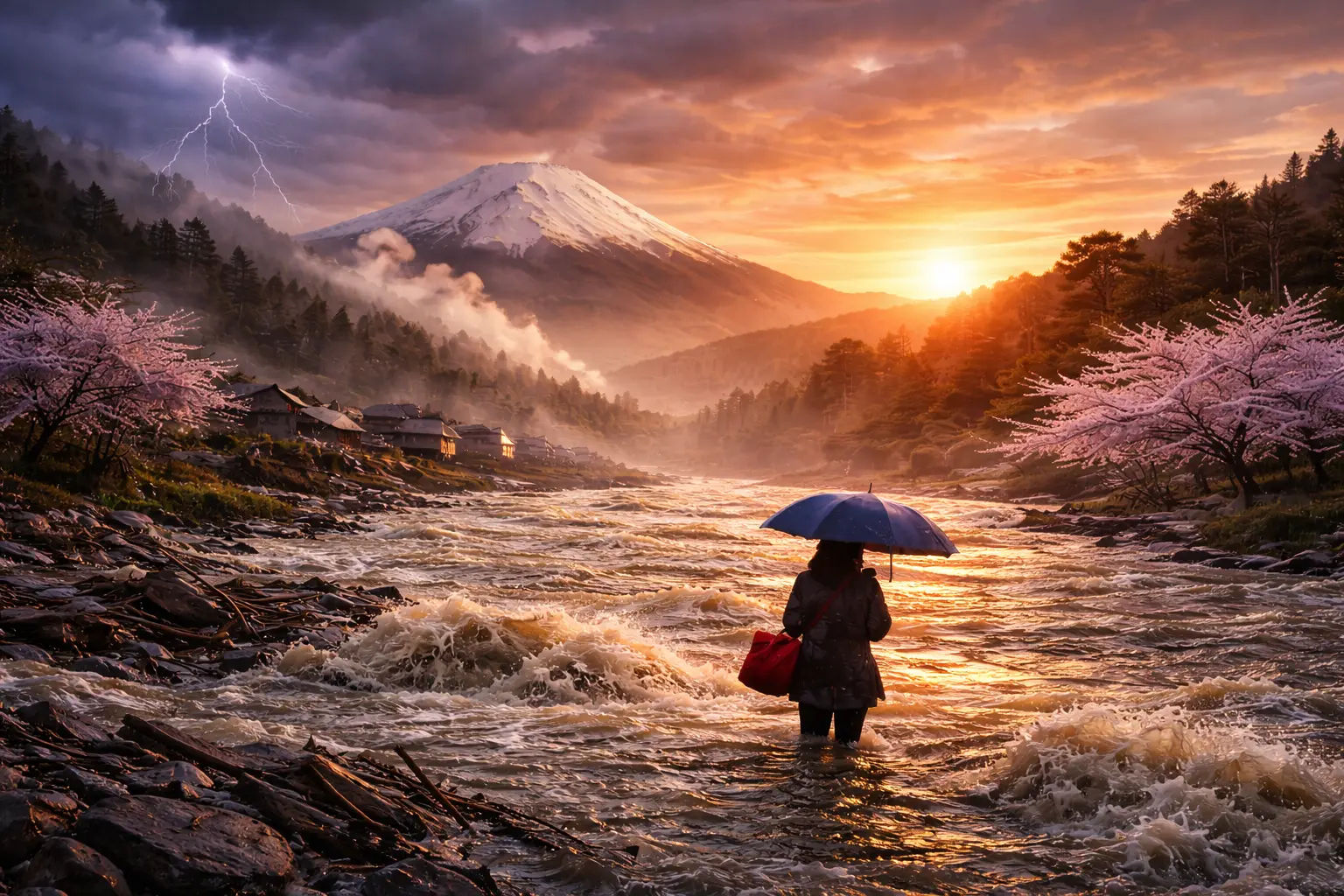
What made early 2026 more unusual was not just the earthquakes but the rainfall pattern that followed. Japan typically expects its monsoon season in the middle of the year, yet heavy rain events appeared much earlier. Several urban areas reported waterlogging, while rural and mountainous regions faced landslide warnings.
Meteorological experts have linked these patterns to rising sea surface temperatures around the Pacific. Warmer oceans increase moisture in the atmosphere, which can trigger intense rainfall even outside traditional monsoon periods. In cities with dense infrastructure, drainage systems designed for older climate patterns struggle to cope, turning short periods of rain into hours of disruption.
For farmers, this shift is especially worrying. Early heavy rains interfere with crop cycles, soil preparation, and planting schedules. Agriculture in Japan relies heavily on seasonal predictability, and when rain arrives too early or too intensely, it directly threatens food stability and rural livelihoods.
A Winter That Felt Too Warm to Be Normal
Perhaps the most striking change of early 2026 was the winter itself. Many regions recorded temperatures significantly higher than long-term averages. Snowfall was delayed or reduced, and in some areas, winter conditions felt closer to early spring. Ski resorts and snow-dependent tourism businesses reported shorter seasons and financial losses.
Beyond tourism, warmer winters affect water security. Japan depends on gradual snowmelt to supply rivers and reservoirs during warmer months. Reduced snowfall means less stored water, increasing the risk of shortages later in the year. Ecologically, plants and animals that rely on cold cues for hibernation or breeding face growing stress, slowly altering entire ecosystems.
Climate Change Is Blurring Natural Boundaries
Earthquakes are geological and cannot be blamed on climate change. However, when seismic risk overlaps with extreme weather, the overall danger multiplies. Climate change is intensifying rainfall, increasing temperature extremes, and making seasons less predictable. Japan’s experience in early 2026 shows how these forces interact, creating compound risks rather than single disasters.
Urban planning that once focused mainly on earthquakes resistance now must also account for floods, heat stress, and water management. Infrastructure built decades ago is being tested by conditions it was never designed to handle. This is not just a Japanese issue but a preview of what many climate-vulnerable countries may soon experience.
What Japan’s 2026 Start Teaches the World
Japan has long been a global model for disaster preparedness. Its early-2026 challenges highlight the need to update that preparedness for a changing climate. Early warning systems must integrate weather and geological data together. Cities need green spaces and better drainage to manage sudden rainfall. Public awareness must expand beyond earthquakes drills to include flood response and heat safety, even during winter months.
The situation also underlines an important reality. Climate change does not always arrive as one massive catastrophe. Often, it appears as a series of smaller but persistent disruptions that slowly reshape daily life. When these disruptions overlap with existing natural risks, the impact becomes far more serious.
Conclusion: A New Normal Taking Shape
The opening months of 2026 suggest that Japan is entering a period where extremes are no longer rare events. Earthquakes continue as they always have, but now they occur alongside unseasonal rains and unexpectedly warm winters. Together, these signals point toward a planet under stress.
Japan’s experience is not just a national story. It is a global warning. As climate patterns shift and natural systems grow unstable, countries everywhere must prepare for a future where unpredictability itself becomes the norm. The question is no longer whether change is coming, but how ready we are to face it.