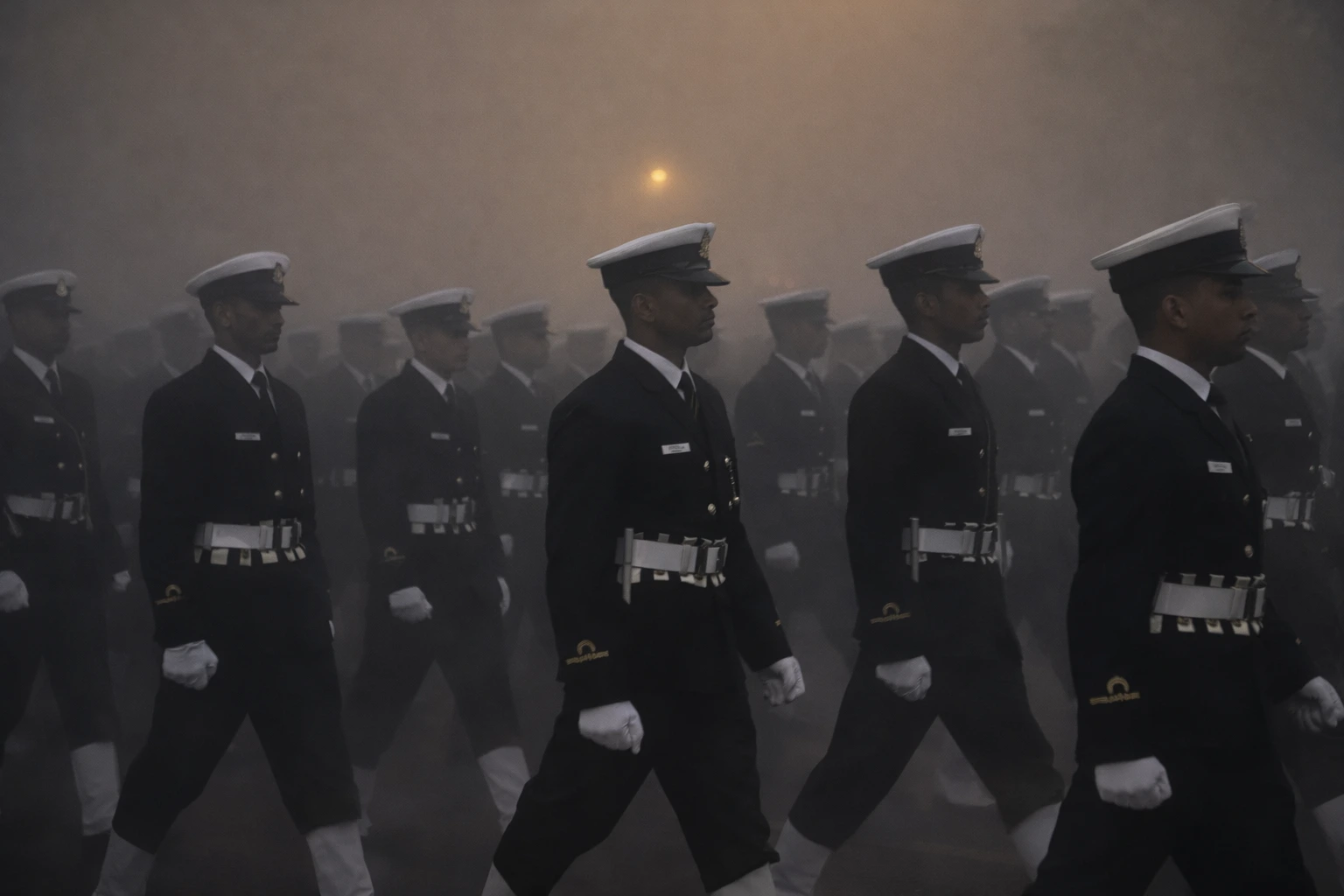
As India prepares to celebrate Republic Day on 26 January 2026, a powerful yet troubling image has emerged from the capital. Soldiers are seen rehearsing tirelessly on the parade grounds of Delhi, standing firm amid dense fog and dangerously polluted air. While the discipline and dedication of the armed forces inspire pride, the environmental conditions surrounding these rehearsals raise serious concerns about air quality, public health, and long-term urban sustainability.
A City Choked by Winter Pollution
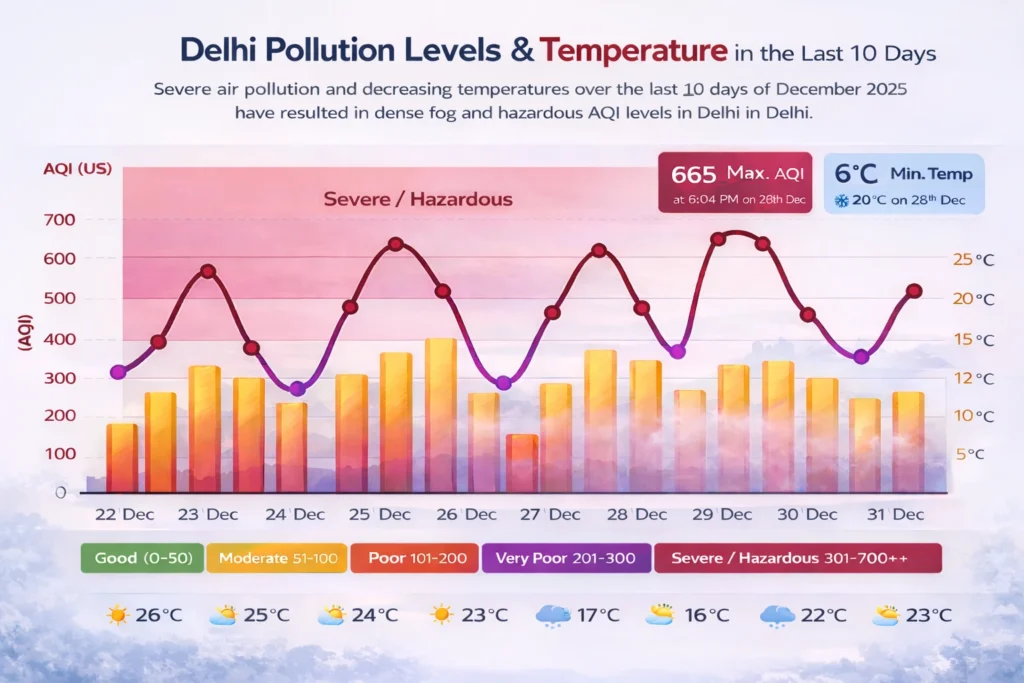
Every winter, Delhi faces a familiar crisis. Falling temperatures, calm winds, and temperature inversion trap pollutants close to the ground, forming a thick layer of smog. In recent days, this phenomenon has intensified. Air Quality Index (AQI) levels have repeatedly crossed into the “severe” and “hazardous” categories, with readings exceeding 600 on some days — far above what is considered safe for human exposure.
This pollution is not the result of a single source. Vehicle emissions, industrial discharge, construction dust, biomass burning, and seasonal stubble burning in nearby regions all contribute. During winter, these emissions accumulate instead of dispersing, turning Delhi’s air into a toxic mix of fine particulate matter, especially PM2.5, which penetrates deep into the lungs and bloodstream.
Dense Fog and Falling Temperatures
Alongside pollution, deep fog has become a daily reality. Night and early-morning visibility drops sharply, disrupting transport and increasing accident risks. Over the past ten days, daytime temperatures have remained unusually low for extended periods, while night temperatures have hovered near the lower single digits. This cold, stagnant air plays a critical role in worsening pollution by preventing vertical air movement.
The relationship is direct: lower temperatures mean poorer dispersion, and poorer dispersion means higher pollution concentration. The result is an environment where even healthy individuals may experience eye irritation, breathing discomfort, headaches, and fatigue after short outdoor exposure.
Soldiers Training in Hazardous Conditions
What makes the situation especially striking is the ongoing Republic Day rehearsals. Soldiers continue drills with unwavering commitment, often spending long hours outdoors during peak pollution periods. While their resilience is unquestionable, prolonged exposure to such air quality can have real physiological effects, including reduced lung function, inflammation, and long-term respiratory stress.
This scenario highlights a deeper issue: pollution in Delhi is no longer an abstract environmental statistic. It directly affects those performing essential national duties, as well as schoolchildren, workers, elderly citizens, and patients with pre-existing conditions.
Delhi and the Global Pollution Ranking
Despite being the political and administrative heart of the country, Delhi consistently ranks among the most polluted capital cities in the world. This status is not symbolic; it reflects a chronic environmental imbalance. While emergency measures such as vehicle restrictions, construction bans, and pollution control orders are periodically enforced, they often address symptoms rather than root causes. Urban growth without adequate public transport expansion, dependence on fossil fuels, weak enforcement of emission standards, and regional coordination gaps continue to undermine long-term improvement.
Health, Environment, and Responsibility
Air pollution is not just an environmental issue; it is a public health emergency. Studies repeatedly link high AQI levels to increased hospital admissions, reduced life expectancy, and developmental impacts on children. For a city as densely populated as Delhi, the cumulative effect is immense.
Republic Day symbolizes the strength, unity, and future of the nation. Yet, the current environmental reality sends a contrasting message. A nation’s progress cannot be measured only by ceremonial grandeur; it must also be reflected in the quality of air its citizens breathe.