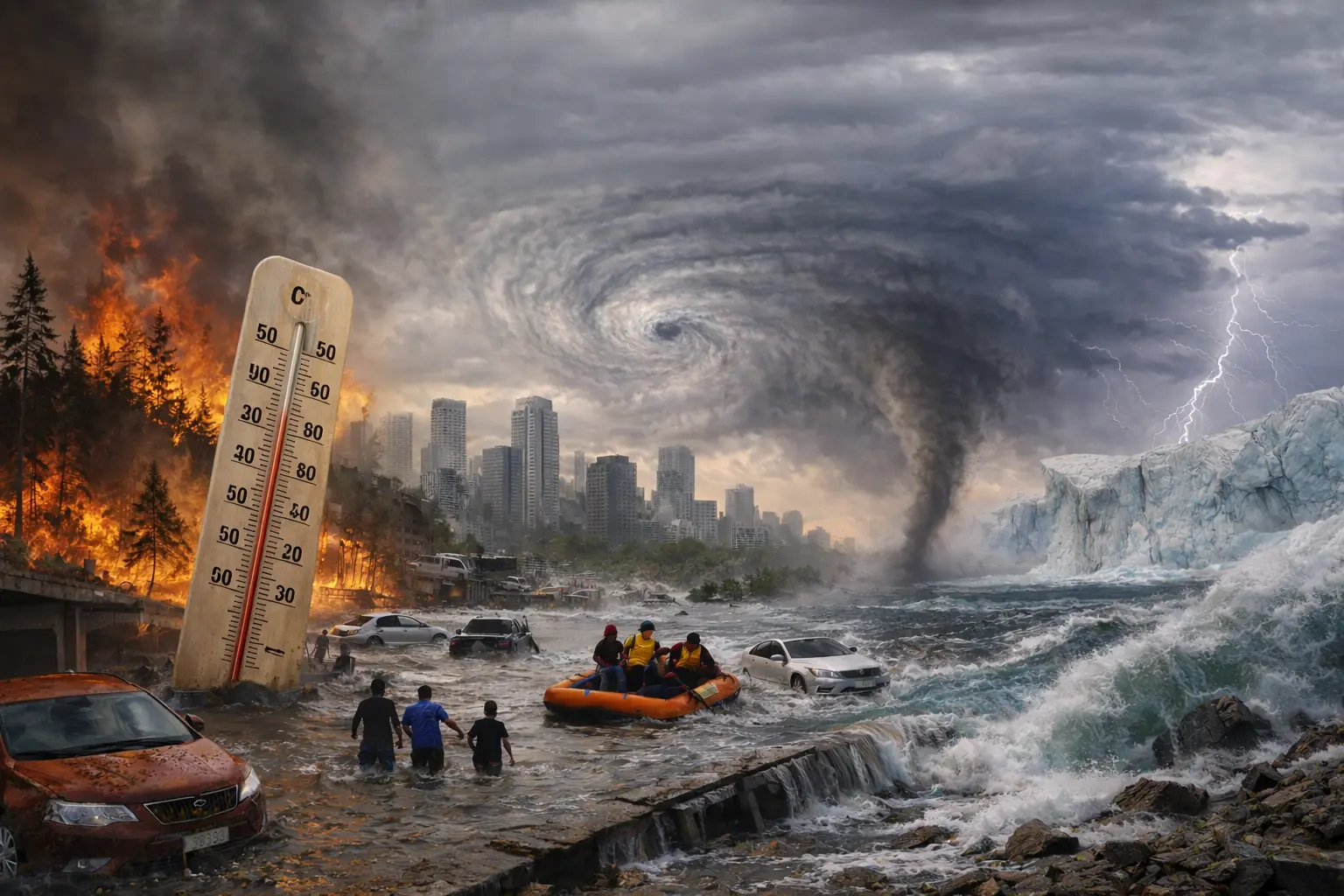
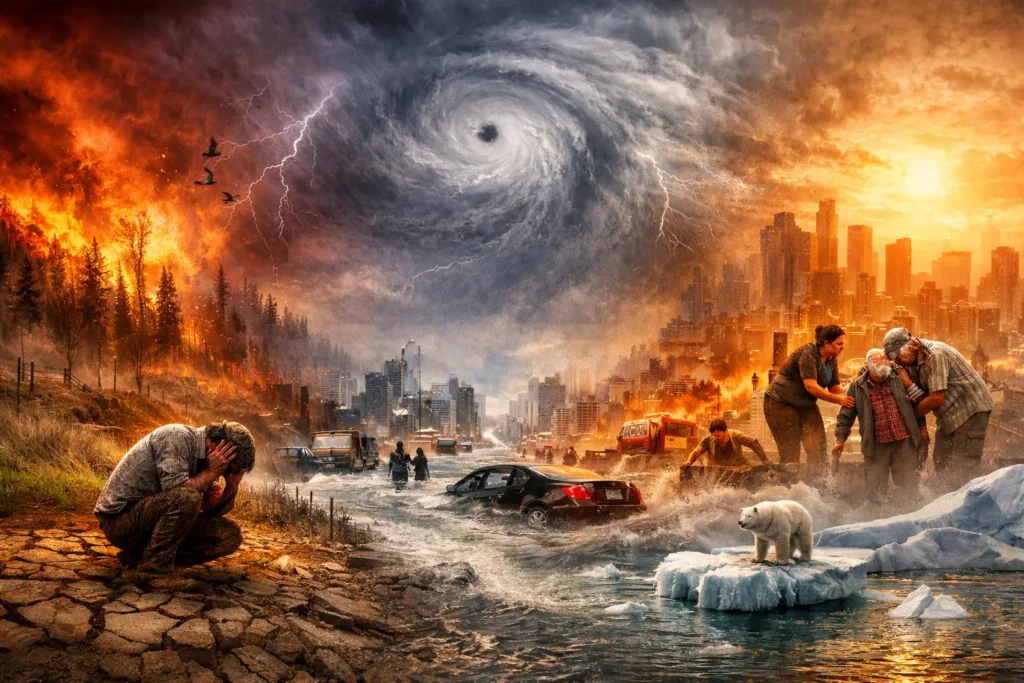
In 2026, extreme weather is no longer a rare headline or a once-in-a-decade disaster. Floods arrive without climate warning, heatwaves last longer than entire seasons, storms intensify faster than ever before, and winters swing between record snowfall and alarming warmth. What once felt exceptional now feels expected. The planet is sending a clear warning — and it is louder than ever.
Across continents, communities are learning a hard truth: extreme weather is no longer the exception. It is the new normal.
A World Trapped in Climate Weather Whiplash
The defining feature of today’s climate is unpredictability. One region faces devastating drought while another drowns under record rainfall. Coastal cities brace for stronger cyclones, while inland areas burn under relentless heat.
This isn’t random chaos. It’s the result of a climate system pushed out of balance.
As global temperatures rise, the atmosphere holds more moisture and energy. That extra energy fuels stronger storms, heavier rainfall, longer heatwaves, and sudden cold snaps. Weather systems that once moved slowly now intensify rapidly, leaving little time for preparation.
The result is climate whiplash — rapid swings between extremes that strain ecosystems, infrastructure, and human resilience.
Heatwaves: The Silent Disaster
Heatwaves are among the deadliest climate events, yet they often receive less attention than floods or storms. In 2026, heatwaves are becoming hotter, longer, and more frequent.
Cities act like heat traps. Concrete and asphalt absorb warmth during the day and release it at night, preventing temperatures from dropping. This “urban heat island” effect turns cities into pressure cookers, especially for the elderly, outdoor workers, and low-income communities.
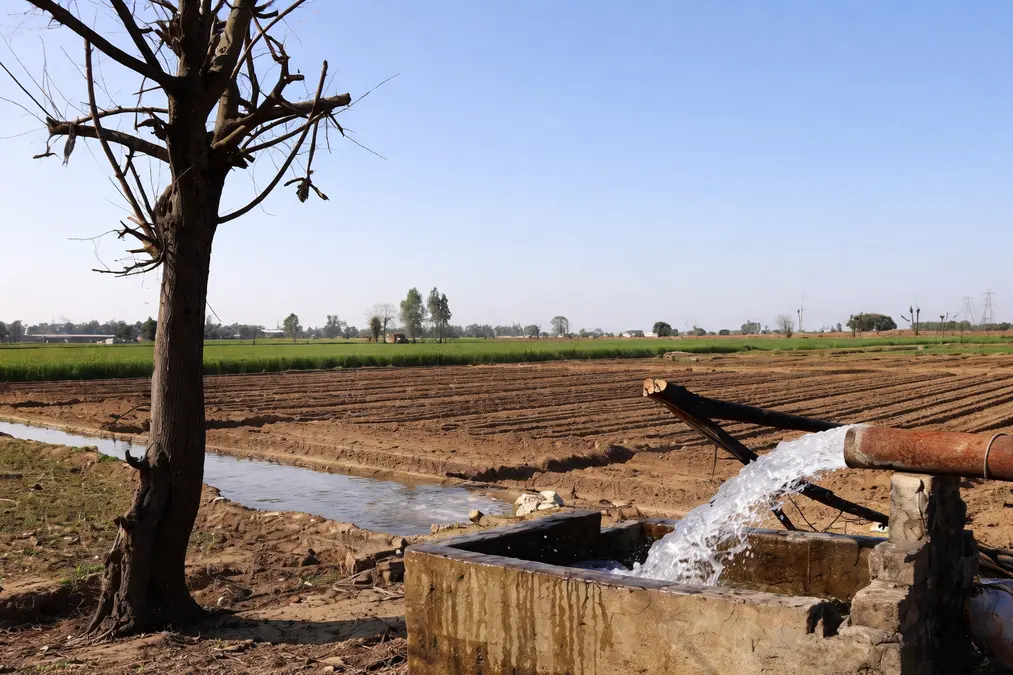
Prolonged heat doesn’t just cause discomfort. It damages crops, overwhelms power grids, triggers wildfires, and quietly claims lives.
Floods That Arrive Without Mercy
Rainfall patterns have changed dramatically. When it rains now, it pours.
Warmer air holds more water, releasing it suddenly during storms. Rivers overflow faster, drainage systems fail, and cities flood within hours. Rural areas lose crops, while urban centers face waterlogged streets, damaged homes, and disease outbreaks.
What’s most alarming is how often these floods occur. Regions that once flooded once every decade now experience it every few years — sometimes multiple times in a single season.
Storms Growing Stronger, Faster
Cyclones, hurricanes, and typhoons are intensifying at unprecedented speeds. Warm ocean temperatures act as fuel, allowing storms to strengthen rapidly before landfall.
In 2026, rapid intensification has become one of the most dangerous climate trends. Coastal communities often have little time to evacuate as storms jump from moderate to catastrophic within hours.
The damage left behind is not just physical. Livelihoods are destroyed, ecosystems are torn apart, and recovery takes years — only to be threatened again by the next storm.
Melting Ice, Rising Seas, Global Consequences
Glaciers and polar ice sheets are melting faster than predicted. This meltwater raises sea levels and disrupts freshwater supplies for millions of people.
Mountain glaciers act like natural reservoirs, releasing water gradually throughout the year. As they shrink, rivers become unpredictable — flooding during wet seasons and drying up during dry ones.
Rising seas threaten coastal cities, island nations, and mangrove ecosystems that protect shorelines from storms. What happens in the Arctic or high mountains doesn’t stay there — it reshapes the entire planet.
Why This Is Happening Now
Extreme weather isn’t appearing out of nowhere. It is the outcome of decades of environmental stress.
Human activities have increased greenhouse gases, trapping heat in the atmosphere. Forests that once absorbed carbon are shrinking. Oceans that once regulated climate are warming and acidifying.
Nature can adapt — but only to a point. Beyond that threshold, systems begin to fail. And in 2026, many of those thresholds are being crossed simultaneously.
The Human Cost Behind the Headlines
Every extreme weather event leaves behind stories rarely captured in statistics. Farmers lose harvests that took a year to grow. Families are displaced overnight. Children miss school for months. Wildlife is forced into human settlements, increasing conflict and danger for both sides.
For vulnerable communities, extreme weather is not just a disaster — it is a cycle of loss that repeats year after year.
Can We Still Change the Future?
The reality is stark, but it is not hopeless.
Reducing emissions, protecting forests, restoring wetlands, and redesigning cities for climate resilience can still slow the pace of extreme weather. Early warning systems, climate-smart agriculture, and sustainable energy are already saving lives where implemented.
The challenge is speed. Nature is changing faster than policies and infrastructure. Every year of delay increases the cost — financially, environmentally, and humanly.
The Final Warning
2026 is not just another year of bad weather. It is a turning point.
Extreme weather becoming “normal” is not something humanity can afford to accept. These events are signals — warnings that the planet is under strain and time is running out.
The question is no longer whether climate change is real. The question is whether we will listen before the warnings become irreversible consequences.
Nature is speaking clearly.
What happens next depends on us.