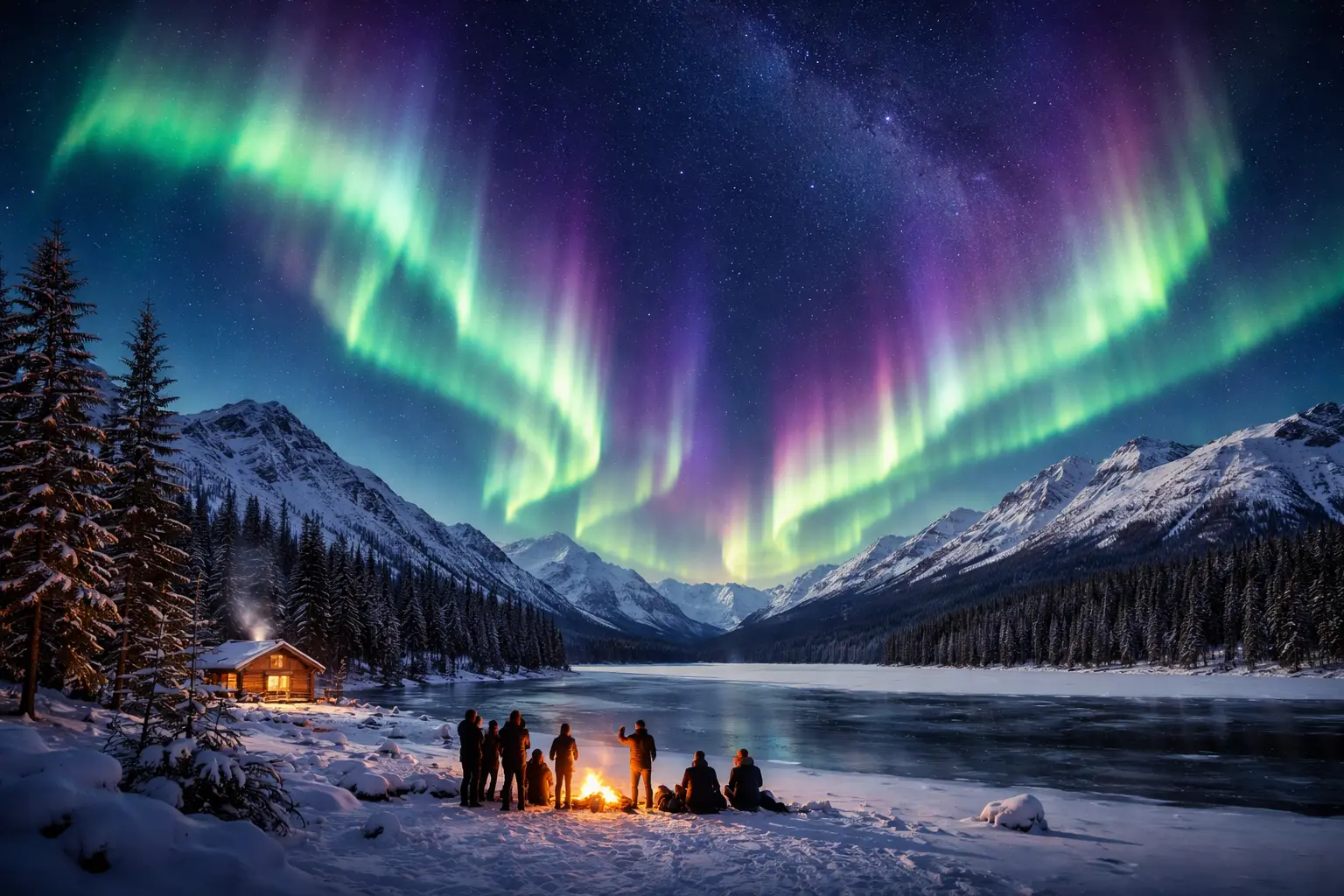
The Northern Lights, scientifically known as the Aurora Borealis, are among the most awe-inspiring natural phenomena visible on Earth. When waves of green, purple, blue, and red light ripple across a dark night sky, the experience feels almost unreal. For many people, seeing the Northern Lights is a once-in-a-lifetime dream.
Beyond their beauty, however, the Northern Lights tell a deeper story—one that connects space weather, Earth’s magnetic protection, environmental health, and even climate change. This article provides a fair, fact-based, and detailed explanation of how Northern Lights form, where they are seen across different countries and cities, and why they matter for our environment.
What Exactly Are the Northern Lights?
The Northern Lights are a natural light display that occurs in Earth’s upper atmosphere, primarily near the North Pole. They are not clouds, reflections, or optical illusions. Instead, they are the result of real physical interactions between the Sun and Earth.
The Sun constantly releases energy and charged particles into space through what is known as solar wind. During periods of high solar activity—such as solar flares or coronal mass ejections—large amounts of these charged particles travel toward Earth.
When these particles reach our planet, Earth’s magnetic field redirects them toward the polar regions. As they collide with gases in the upper atmosphere, energy is released in the form of light, creating the glowing curtains we call the Northern Lights.
Why Do They Have Different Colors?
- Green (most common): Oxygen at lower altitudes
- Red (rare): Oxygen at higher altitudes
- Blue and Purple: Nitrogen reactions
The color, brightness, and movement of the aurora depend on solar intensity, atmospheric composition, and altitude.
Where Are Northern Lights Seen Around the World?
Northern Lights are most visible within a region called the auroral oval, which circles the Earth near the Arctic Circle. Several countries and cities have become globally famous for reliable aurora sightings.
- Alaska, USA – Fairbanks
In the United States, Fairbanks is considered one of the best places on Earth to view the Northern Lights. Located directly beneath the auroral oval, Fairbanks experiences frequent auroral activity during winter. Long nights, cold temperatures, and relatively low light pollution make it ideal for viewing.
- Norway – Tromsø
Tromsø is often called the “Northern Lights capital of the world.” Its coastal location allows visitors to experience auroras alongside dramatic landscapes of mountains and fjords.
- Iceland – Reykjavik and Beyond
In Reykjavik, Northern Lights can sometimes be seen from the outskirts of the city. Iceland’s volcanic terrain, glaciers, and open skies make aurora viewing especially dramatic.
- Finland – Lapland
Lapland offers one of the longest aurora seasons in the world. The region is known for its dark skies, minimal pollution, and innovative eco-tourism, including glass igloos designed for aurora viewing.
- Canada – Yellowknife and Yukon
Northern Canada, including Yellowknife and Yukon, provides some of the clearest skies and strongest auroral displays due to low humidity and sparse population.
Why Seeing the Northern Lights Is a Powerful Experience
Watching the Northern Lights is not just visually impressive—it is emotionally powerful. The silence of polar nights, combined with moving light patterns above, creates a sense of humility and wonder.
Many people describe the experience as:
- Calming and meditative
- Emotionally moving
- A reminder of how small humans are compared to nature
This emotional connection is one reason the Northern Lights have become central to nature-based tourism and environmental storytelling.
Environmental Importance of the Northern Lights
While beautiful, the Northern Lights also represent essential environmental processes.
- Proof of Earth’s Magnetic Protection
Auroras are visible evidence that Earth’s magnetosphere is actively shielding the planet from harmful solar radiation. Without this protection, Earth’s atmosphere could be stripped away—similar to what scientists believe happened on Mars.
- Indicator of Atmospheric Health
Northern Lights occur high in the atmosphere, offering scientists valuable data about atmospheric composition, temperature, and space weather interactions.
- Importance of Dark Skies
Aurora visibility depends heavily on low light pollution. Their popularity highlights the growing need to protect dark sky environments, which are also crucial for wildlife, human health, and energy conservation.
Climate Change: A Fair and Honest Perspective
It is important to be accurate and fair: climate change does not cause Northern Lights. Auroras are driven by solar activity, not by Earth’s temperature.
However, climate change does affect the conditions needed to see them clearly.
Indirect Impacts Include:
- Increased cloud cover in polar regions
- Changing weather patterns
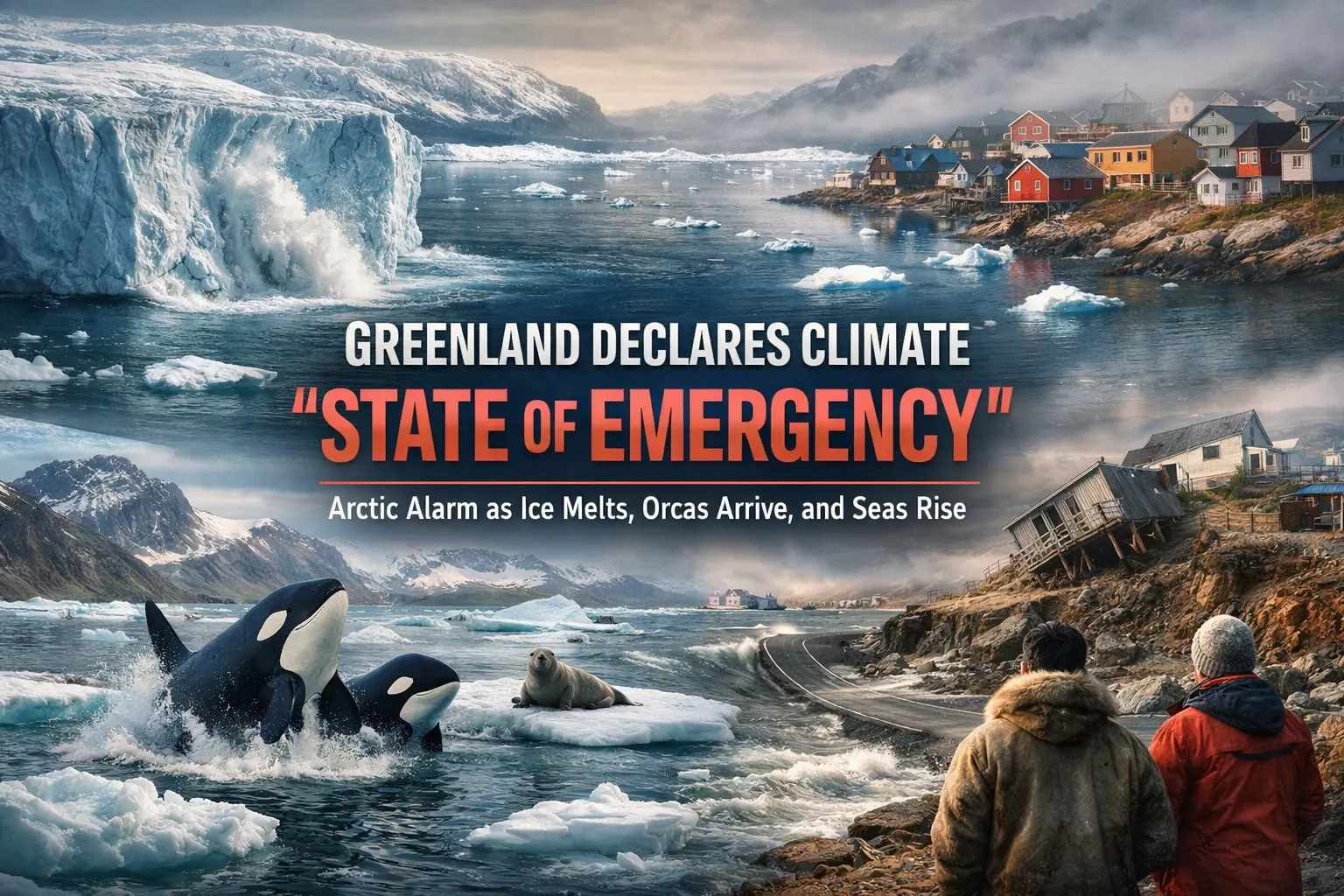
- Melting ice affecting local ecosystems
- More infrastructure and artificial lighting in the Arctic
These factors can reduce visibility and alter the natural landscapes that make aurora viewing special.
In addition, polar regions are warming faster than the global average, making them key indicators of environmental change.
What the Northern Lights Teach Us
The Northern Lights are more than a beautiful sky display. They teach us that:
- Earth is deeply connected to the Sun and space
- Natural protection systems make life possible
- Clean environments reveal nature at its best
- Fragile regions need responsible human behavior
Conclusion: A Message Written in Light
The Northern Lights are one of nature’s most powerful reminders that beauty and science coexist. They offer joy, inspiration, and knowledge—all at once.
For viewers across Alaska, Scandinavia, Canada, and beyond, the experience is unforgettable. But with that experience comes responsibility. Protecting dark skies, reducing pollution, and respecting fragile ecosystems ensures that future generations will also be able to look up and witness this extraordinary gift.