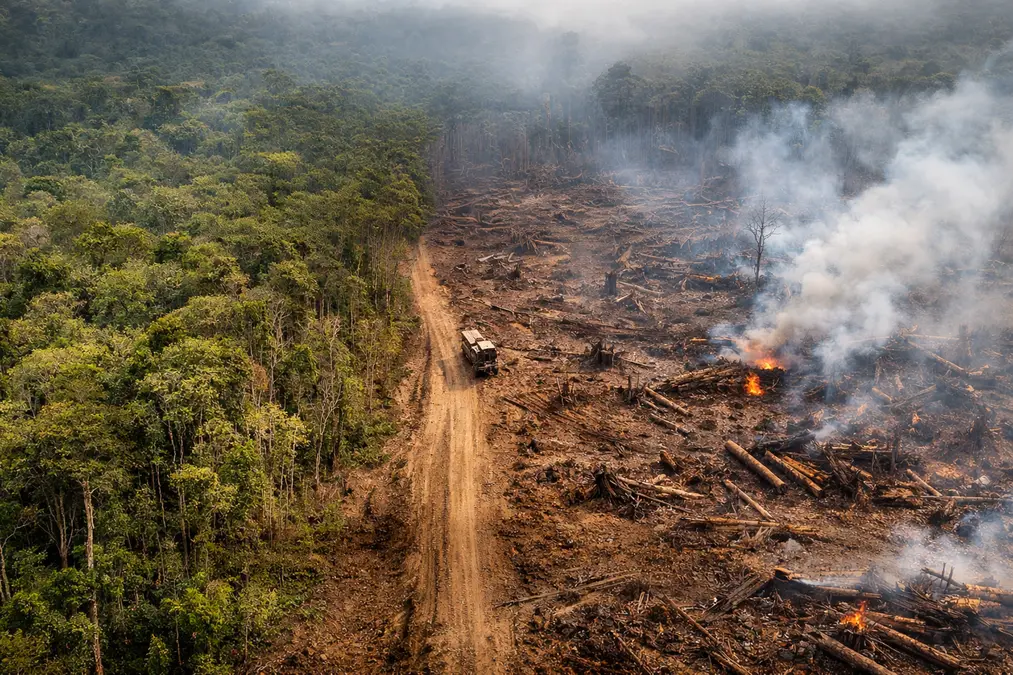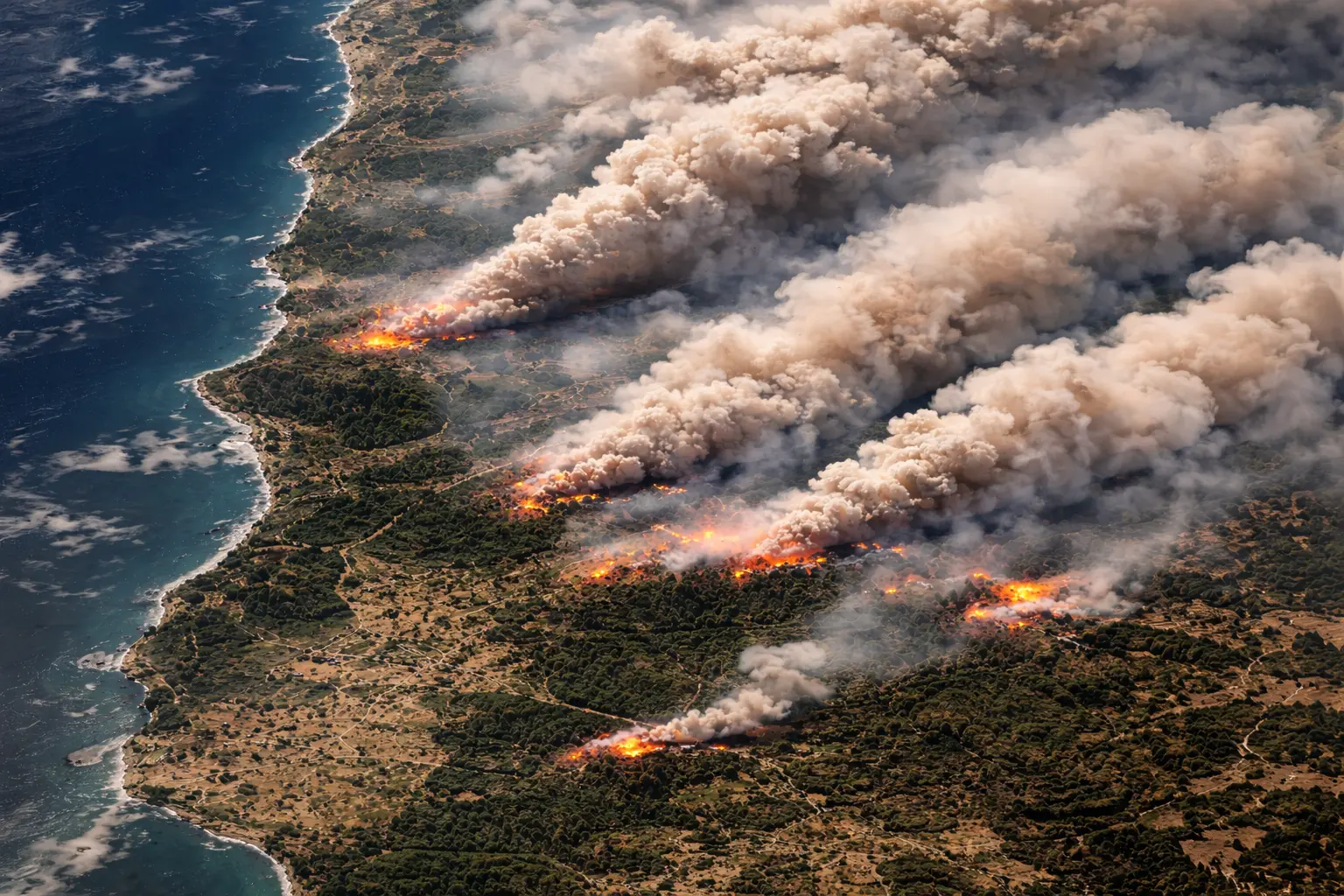
In January 2026, South Chile Wildfire experienced one of the most destructive wildfire events in recent years. The fires began during an extreme summer heatwave, when temperatures crossed 38–40°C for several consecutive days. Long dry spells had already turned forests into highly flammable zones. Strong winds acted as a catalyst, allowing small ignition points—suspected to be caused by human negligence and environmental stress—to rapidly grow into uncontrollable wildfires.
Where the Fire Spread
The wildfire mainly affected the Biobío and Ñuble regions, including forest areas surrounding the city of Concepción. These regions are a mix of native forests, commercial plantations, wildlife habitats, and human settlements. Because forests and towns exist very close to each other in this part of Chile, the fire did not remain confined to wild land. It quickly crossed into residential and agricultural zones, increasing both human and ecological losses.
Damage Recorded So Far
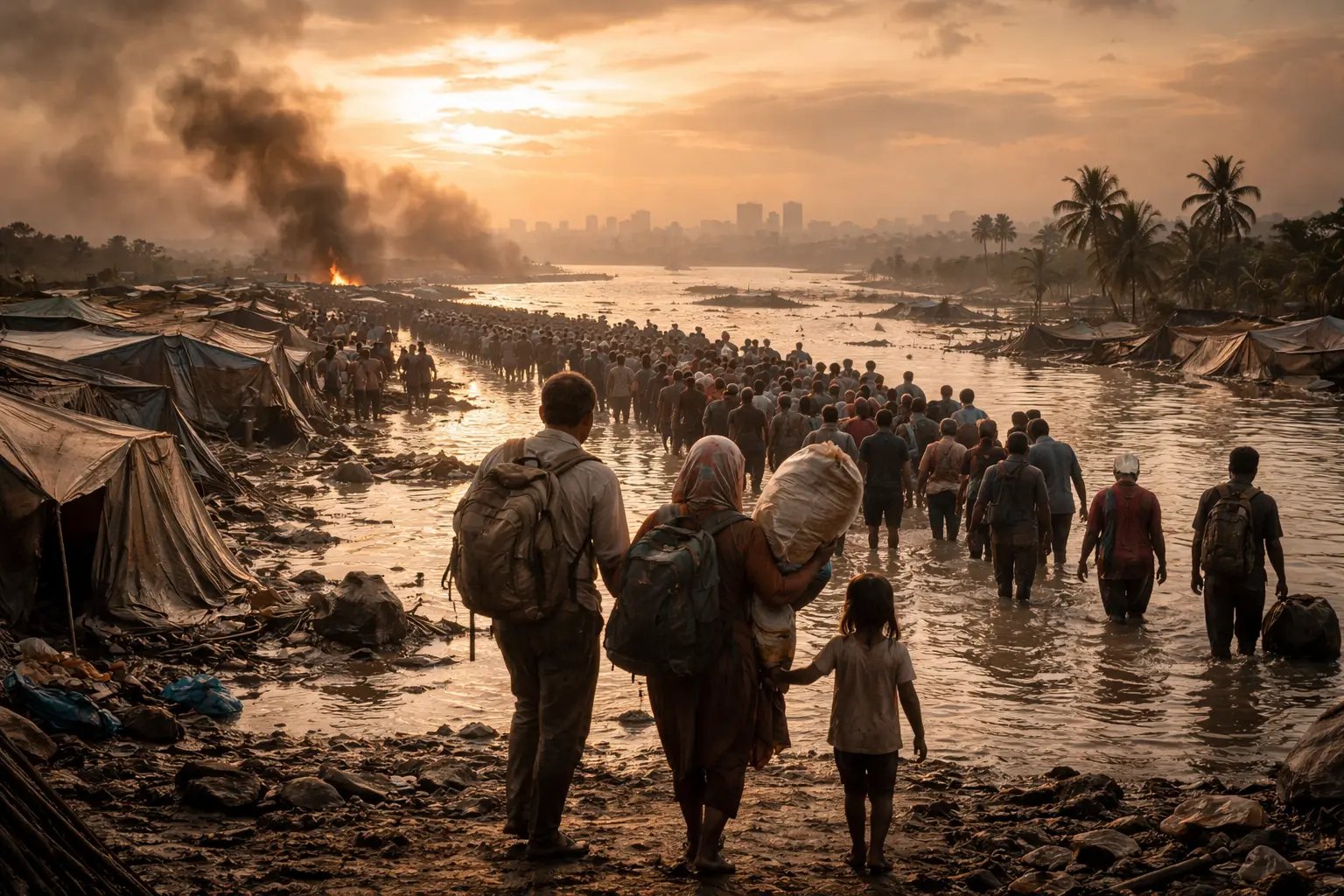
The visible damage has been devastating. More than 35,000 hectares of land have burned, including dense forest cover and productive plantations. At least 19 people lost their lives, hundreds of homes were completely destroyed, and thousands were damaged. Between 20,000 and 50,000 people were forced to evacuate. Thick smoke covered large areas for days, disrupting daily life, transportation, and local economies. However, these numbers represent only the damage that can be easily measured.
The Wildlife Loss No One Is Talking About
The greatest and most ignored loss is the destruction of wildlife. Thousands of animals were trapped inside the forests when the fires spread rapidly. Large mammals such as deer, foxes, and wild cats either burned to death or died due to smoke inhalation. Birds suffered massive losses as nesting trees, eggs, and chicks were destroyed during the breeding season. Reptiles and amphibians, which move slowly and depend on specific micro-habitats, had almost no chance to escape. Millions of insects, including pollinators and soil organisms, were wiped out, breaking the natural balance of the ecosystem.
Why Wildlife Loss Matters
Wildlife deaths are rarely counted in official disaster reports, but their absence creates long-term consequences. When animal populations collapse, food chains break. Forest regeneration becomes slower because insects and small animals that support soil health disappear. Surviving animals are forced to move closer to human settlements in search of food and shelter, increasing human–wildlife conflict. The impact of this loss will be felt for decades, not months.
Long-Term Environmental Impact
The South Chile wildfire has released massive amounts of stored carbon into the atmosphere, contributing further to climate change. Burned land is now at higher risk of soil erosion, floods, and landslides during future rains. Forests that took hundreds of years to develop may not fully recover within our lifetime. What happened here is not an isolated incident—it is a warning sign of how climate change is intensifying natural disasters worldwide.
Emergency Response and Its Limits
Firefighters, military forces, and emergency services worked tirelessly to control the blaze and protect human lives. Helicopters, water bombing, and ground crews prevented even greater destruction. However, wildlife rescue efforts were extremely limited. There were no large-scale evacuation plans for animals, no emergency shelters for displaced wildlife, and very little post-fire monitoring of animal survival.
Final Thoughts
The South Chile wildfire should not be remembered only as a disaster that destroyed homes and cities. It was also a silent ecological collapse. Animals did not make headlines, their deaths were not fully recorded, and their suffering went largely unnoticed. If future wildfire planning continues to ignore wildlife, each new fire will push ecosystems closer to irreversible damage. Protecting forests means protecting every life within them—not just human life.