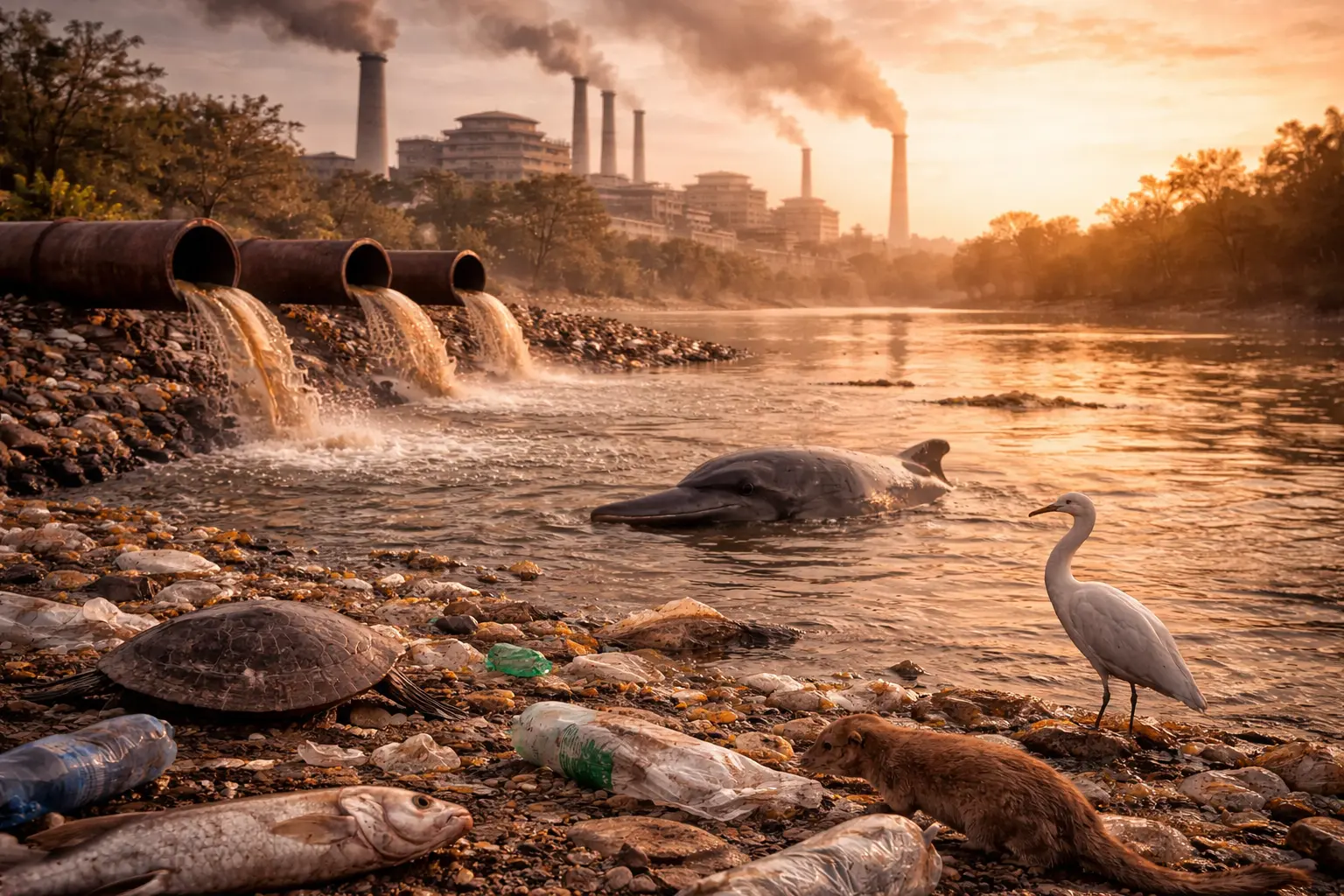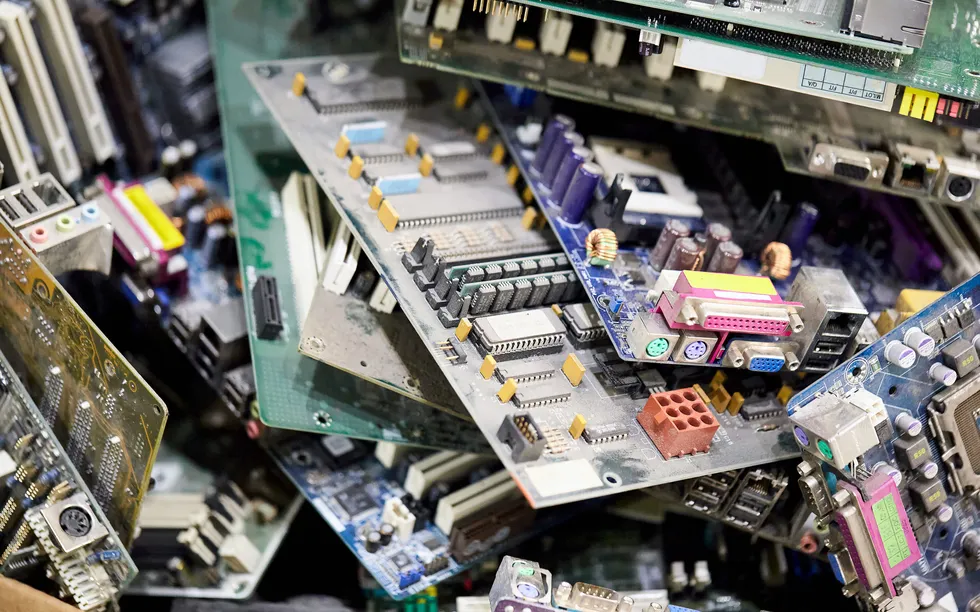
In the modern era, progress is often measured by the speed of our processors and the slimness of our devices. However, beneath this digital revolution lies a quiet and dangerous reality. Electronic waste, or e-waste, is not a sudden disaster like a flood or a forest fire; it is arriving device by device. Our phones, laptops, and batteries are being replaced faster than nature can absorb their impact. What we see as innovation is slowly becoming one of the most expensive environmental mistakes of the 21st century.
The Toxic Journey: From Mining to Manufacturing
Every electronic product begins its life with a massive environmental debt. The cost starts long before the device reaches the consumer.
- Destructive Mining: To build a single smartphone, rare metals like lithium, cobalt, nickel, and gold must be extracted. This requires deep excavation, chemical processing, and millions of liters of water, often leaving the surrounding land barren.
- Energy-Intensive Production: The manufacturing of microchips and circuit boards consumes high amounts of energy and ultra-pure water, leaving behind toxic residues that are difficult to treat.
- The Chemical Legacy: The real damage occurs after disposal. When electronics are dumped in landfills or burned in the open air, they release lead, mercury, and cadmium—persistent chemicals that remain in our soil and water for decades.
The “Microchip” Problem: Small Size, Massive Impact
Microchips may be tiny, but environmentally, they are heavyweights. These chips are the brain of every gadget, yet they are a recycling nightmare.
Each chip contains multiple toxic elements bonded together in ways that are extremely difficult to separate safely. In many developing nations, informal recycling involves breaking these chips or burning them to extract gold and copper. This releases poisonous vapors directly into the air, affecting the health of local communities and destroying nearby ecosystems. As our devices become more compact and powerful, the waste they produce becomes more complex and harder to control.
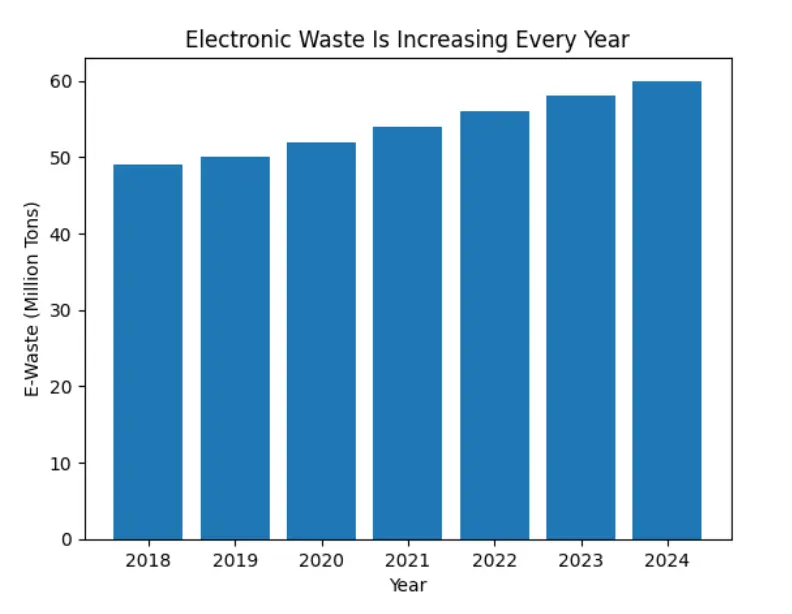
Global E-Waste Growth: Last 6–7 Years Snapshot
Why We Realize the Damage Too Late
E-waste is following the same dangerous path that plastic once did. At first, it felt harmless—a symbol of convenience and a better life. But the delay between the cause and the visible damage is what makes it so lethal. By the time we accept it as a threat:
- Saturated Landfills: Huge mountains of electronics are already leaching toxins into the earth.
- Groundwater Contamination: Heavy metals are reaching our drinking water sources.
- Human Health Risks: Thousands of informal workers are already exposed to cancer-causing chemicals.
The Economic Impact of E-Waste
We often think of e-waste as just “trash,” but it is actually a loss of valuable resources. Millions of dollars worth of gold, silver, and copper are thrown into landfills every year because we lack efficient, large-scale recycling systems. Recovering these materials through “Urban Mining” is far more environmentally friendly than digging new mines, yet we continue to choose the path of destruction.
Simple Solutions: How You Can Make a Difference
The crisis is significant, but it can be managed through small, thoughtful changes in our daily habits. We must move away from the “use and throw” culture.
- The Power of Repair: Instead of replacing a phone for a cracked screen or a weak battery, try repairing it. Extending the life of a device by just one year can significantly reduce its carbon footprint.
- Responsible Disposal: Never throw broken electronics in regular dustbins. Always find a certified e-waste collection center that ensures safe recycling.
- Reuse and Donate: If your gadget is old but still working, donate it to students or NGOs. Reusing a device is the best way to prevent it from becoming waste.
- Education and Awareness: Share this knowledge with your family and friends. Public pressure on companies to create “repairable” devices is the only way to change the industry.
Conclusion: A Warning for the Future
Electronic waste is growing quietly, but its impact is permanent. It is a slow-burning environmental explosion that is waiting for the moment when it becomes impossible to ignore. If we stay silent today, the cost of reversing the damage tomorrow will be far beyond what we can afford. The choices we make now—whether to repair or replace, whether to recycle or dump—will decide the health of our planet for generations to come.